
Aircraft Window Condensation Can Cause Avionics Instrument Corrosion
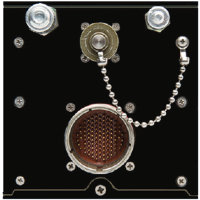
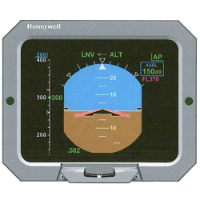
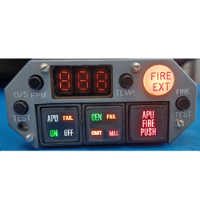
As condensation collects on the windshield of our aircraft, it has to drip somewhere. And that somewhere is directly on this units below.
The Duncan Intelligence is a free, technical newsletter for business aircraft owners and operators. Written in-house by Duncan Aviation's technical representatives, each edition includes technical tips and advice on topics and trends in business aviation. It is a free, monthly e-mail subscription for aviation enthusiasts around the world.
Subscribe now to receive the Duncan Intelligence in your inbox.
As condensation collects on the windshield of our aircraft, it has to drip somewhere. And that somewhere is directly on this units below.
As the pre-owned aircraft market stabilizes, the Bombardier Global Express XRS has solidified its status as the top-tier value choice for ultra-long-range travel. Offering intercontinental reach and a proven platform at a significant discount compared to newer models, the XRS represents a strategic entry point for value-conscious operators. The following analysis breaks down the current pricing trends, critical value drivers, and the competitive landscape for this enduring market leader.
The precision of an aircraft’s Environmental Control System depends on small, often-overlooked temperature sensors. These units act as miniature vacuums, drawing in cabin air, along with dust and debris, to provide the real-time data necessary for passenger comfort. This article explores why regular cleaning and maintenance of these sensors is critical to ensuring the ECS delivers the precise climate control it was engineered to provide.
It’s a common question that many operators hesitate to ask, but the answer is a definitive no. In reality, regular gas-path cleaning is a vital pillar of preventive maintenance, especially for aircraft operating in salt air or polluted environments. A strategic wash schedule is your best defense against performance loss and the high cost of corrosion.
Affecting 600+ aircraft, these Learjet aileron Service Bulletins require specialized NDT inspections and structural modifications. Duncan Aviation’s experts break down the requirements, downtime expectations, and why choosing the right facility is vital.
Rolls Royce issued a recent News Flash about the potential for nuisance T2.5 Faults occurring following engine starts on AE 3007C Series engines on Citation X aircraft.
Removing the leading edges prior to painting an aircraft will prevent a thick line of paint from building up along the tape lines behind those edges.
It is common for a CRT to experience burn-in caused by the continual bombardment of electrons from the CRT’s guns on one spot of the CRT screen. However, it doesn’t take a huge effort to extend the useful life of a DU-870.
Is it normal for outboard slats not to retract fully after winglet installation on a Falcon 900? Keep reading for the answer.
Recent revisions to the Learjet Replacement Schedule have installed an ultimate life on the MLG Strut Torque Links. Keep reading for the stipulations required for each model of aircraft.
The Honeywell ART 2000 and ART 2100 are high-performance modern radar that is proven reliable. But even simple things like getting in a hurry when shutting down the system can have a huge negative impact on operation over time.
Don’t overlook inspecting the phenolic bushing in the top mount of the APU exhaust. It is commonly broken or missing.
Because of our long history and experience with the Falcon aircraft, we know the most commonly exchanged parts and keep an inventory available to meet customer needs.
The light alloy brackets and levers in the center wheel well area and wing rear spar are susceptible to severe corrosion if the protective coating is compromised and remedial action is not taken promptly.
When planning for your Challenger 300 aircraft maintenance event, don’t forget these important Service Bulletins that include the modification of the thrust reverser kicker plate and thrust reverser pivot door forward fitting.