The Duncan Intelligence is a free, technical newsletter for business aircraft owners and operators. Written in-house by Duncan Aviation's technical representatives, each edition includes technical tips and advice on topics and trends in business aviation. It is a free, monthly e-mail subscription for aviation enthusiasts around the world.
Subscribe now to receive the Duncan Intelligence in your inbox.
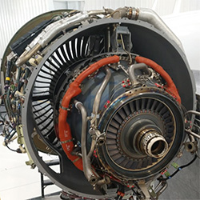
Honeywell issued Service Bulletin AS907-72-9094 that calls for the replacement of the #4 carbon seal on the HTF7000/AS907 series engines. We can do this as an engine-only event in as little as 4 days.
Are your aircraft's RVSM operations fully compliant? While FAA requirements shifted away from standalone approved programs, configuration control and height-monitoring standards remain strictly enforced. Learn the key differences between Section 9 and Section 3 pathways and Duncan Aviation’s role in keeping you airworthy.
As business travel demands grow, many owners of piston twins begin looking at turboprops for greater range, payload, reliability, and operational flexibility. But moving to turbine power involves more than buying a larger aircraft. From maintenance planning and pilot training to operating costs and regulatory requirements, a successful transition depends on carefully matching the aircraft to the mission. This article examines the key benefits, tradeoffs, and considerations to help buyers determine whether a turboprop is the right next step for their operation.
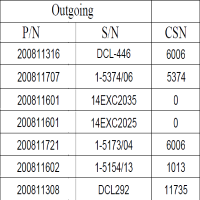
Most overhaul delays don't start in the shop. They start with the logbooks when the serial number stamped on a part doesn't match the one listed in the maintenance logs. Reconstructing that paper trail can ground an aircraft for weeks and force you to replace parts that are actually totally fine. Here's a quick breakdown of where Chapter 5 records often fall through the cracks and how to resolve discrepancies before your aircraft goes down.
While the FAA encourages the TCAS 7.1 upgrade, strict ICAO and EASA mandates make it a necessity for international operators. Learn how Version 7.1 improves flight safety, impacts your flight plans, and what certification path your aircraft requires.
Two of Duncan Aviation’s Avionics Satellite shops have recently installed a serviceable Gogo ATG-5000 airborne broadband system with Wi-Fi, one in a Gulfstream IV and the other in a Gulfstream G-200.
With this authorization, we are able to support operators throughout the entire modification process of the TDR-94/D units from component modification to system installation and certification.
Most Challenger operators are now well aware of the 2020 mandates for ADS-B transponder upgrades for both the U.S. and Europe. However, we find that many are not aware of the ADS-B standards, options, and prerequisites required.
The Duncan Aviation /Garrett APU system interfaces with the aircraft’s electrical system and includes controls for operating, monitoring, and regulating the APU. As seldom as these systems fail, when they do, it can be confusing to determine which box is causing the problem.
This Service Guide was created specifically for the Embraer Legacy airframe and contains valuable NextGen information that will be useful as you look ahead to the coming months and years.
It is hard to plan for the upcoming mandates when you don’t have good information. These mandate Service Guides were created specifically for the G100, G150 and G200 airframes. They contain valuable information to be used for planning purposes as you look ahead to the coming months and years.