
The Duncan Intelligence is a free, technical newsletter for business aircraft owners and operators. Written in-house by Duncan Aviation's technical representatives, each edition includes technical tips and advice on topics and trends in business aviation. It is a free, monthly e-mail subscription for aviation enthusiasts around the world.
Subscribe now to receive the Duncan Intelligence in your inbox.
Honeywell issued Service Bulletin AS907-72-9094 that calls for the replacement of the #4 carbon seal on the HTF7000/AS907 series engines. We can do this as an engine-only event in as little as 4 days.
Are your aircraft's RVSM operations fully compliant? While FAA requirements shifted away from standalone approved programs, configuration control and height-monitoring standards remain strictly enforced. Learn the key differences between Section 9 and Section 3 pathways and Duncan Aviation’s role in keeping you airworthy.
As business travel demands grow, many owners of piston twins begin looking at turboprops for greater range, payload, reliability, and operational flexibility. But moving to turbine power involves more than buying a larger aircraft. From maintenance planning and pilot training to operating costs and regulatory requirements, a successful transition depends on carefully matching the aircraft to the mission. This article examines the key benefits, tradeoffs, and considerations to help buyers determine whether a turboprop is the right next step for their operation.
Most overhaul delays don't start in the shop. They start with the logbooks when the serial number stamped on a part doesn't match the one listed in the maintenance logs. Reconstructing that paper trail can ground an aircraft for weeks and force you to replace parts that are actually totally fine. Here's a quick breakdown of where Chapter 5 records often fall through the cracks and how to resolve discrepancies before your aircraft goes down.
While the FAA encourages the TCAS 7.1 upgrade, strict ICAO and EASA mandates make it a necessity for international operators. Learn how Version 7.1 improves flight safety, impacts your flight plans, and what certification path your aircraft requires.
Is your aircraft's paint job a luxury or a structural necessity? While it certainly looks great on the ramp, your paint system is actually a critical maintenance component engineered to shield the airframe from corrosion, UV damage, and environmental stressors. Read our latest feature to learn why a proactive paint program is the key to preserving your jet’s safety, integrity, and long-term market value.
International aircraft transactions are complex, involving a delicate balance of FAA compliance, customs coordination, and airworthiness certification. As a Part 25 aircraft owner, you understand the strategic value of moving assets across borders, but the technical execution remains a high-stakes endeavor.
Offering superior integration and a wide array of safety-enhancing and self-monitoring features, the GFC 600 digital autopilot is a revolution in aftermarket flight control solutions.
The Bombardier Global 5000 continues to be a top choice for operators seeking a large-cabin, transcontinental jet without the investment required for newer flagship models. This market overview examines how its 5,200nm range and short-runway agility keep it competitive, while highlighting the importance of engine programs and avionics upgrades in maintaining the aircraft's long-term utility and resale appeal.
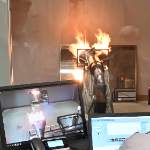
Behind every aircraft interior is a layer of critical safety work that most passengers will never see. Explore the essential role of Duncan Aviation’s Burn Lab, where materials undergo rigorous FAA-mandated testing, from Bunsen burner trials to flame containment, to ensure every component meets strict fire safety standards. Learn how proper burn testing prevents costly certification delays, protects long-term aircraft value, and, most importantly, keeps passengers and crew safe in the air.
As the pre-owned aircraft market stabilizes, the Bombardier Global Express XRS has solidified its status as the top-tier value choice for ultra-long-range travel. Offering intercontinental reach and a proven platform at a significant discount compared to newer models, the XRS represents a strategic entry point for value-conscious operators. The following analysis breaks down the current pricing trends, critical value drivers, and the competitive landscape for this enduring market leader.
The precision of an aircraft’s Environmental Control System depends on small, often-overlooked temperature sensors. These units act as miniature vacuums, drawing in cabin air, along with dust and debris, to provide the real-time data necessary for passenger comfort. This article explores why regular cleaning and maintenance of these sensors is critical to ensuring the ECS delivers the precise climate control it was engineered to provide.
It’s a common question that many operators hesitate to ask, but the answer is a definitive no. In reality, regular gas-path cleaning is a vital pillar of preventive maintenance, especially for aircraft operating in salt air or polluted environments. A strategic wash schedule is your best defense against performance loss and the high cost of corrosion.
Affecting 600+ aircraft, these Learjet aileron Service Bulletins require specialized NDT inspections and structural modifications. Duncan Aviation’s experts break down the requirements, downtime expectations, and why choosing the right facility is vital.